
Laser pointer and cats: is it safe, and how do you play without frustration?
Cats adore chasing a laser dot, but there is a right and a wrong way to play. Our guide to safe, satisfying laser games with your cat.
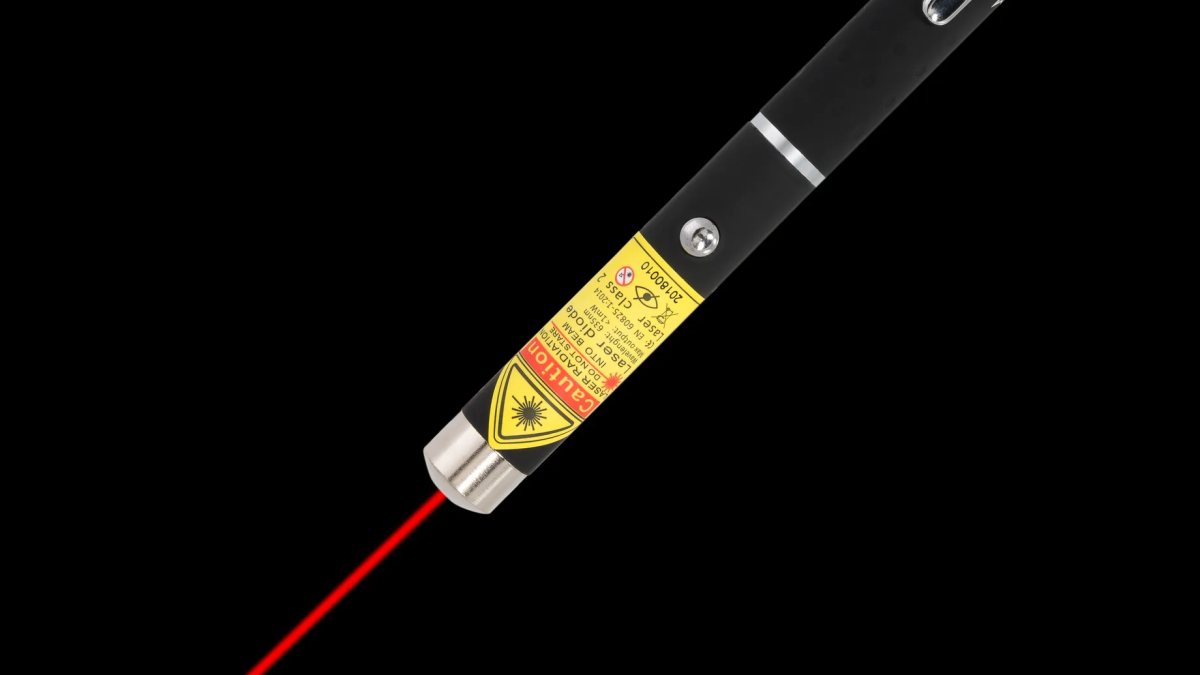
Ask any cat owner what makes their cat come alive and many will say the same thing: the laser dot. One click and a sleepy cat turns into a crouching, tail-twitching hunter. But you may also have read that laser pointers can frustrate cats or even harm them. So what is true? In this article we look at the benefits, the risks and the simple routine that makes laser play safe and satisfying.
What makes a laser dot so irresistible to cats
Cats are hard-wired to hunt. In the wild they stalk small, fast-moving creatures that dart, freeze and hide. A laser dot moving across the floor mimics that pattern almost perfectly. It triggers the full hunting sequence: watching, stalking, the little bottom wiggle, and the pounce. For indoor cats, who never get to hunt real prey, that sequence is a healthy outlet for energy and instinct.
There are real benefits. Laser games get lazy cats moving, help overweight cats burn a few calories, and give young cats a way to spend their energy that is not your curtains. Because you can play from the sofa, it is also an easy option for owners who are less mobile.
The two real risks
1. The eyes
A laser beam shining directly into an eye is never a good idea, for a cat or for a person. Our lasers are class 2, with an output below 1 mW, the class meant for consumers, where the blink reflex normally protects against a brief accidental flash. Even so, you should never aim the beam at your cat's face. Keep the dot on the floor, low on the wall or on furniture, and the eyes stay safe.
2. Frustration
This is the risk most people do not know about. In a real hunt, the chase ends with a catch. With a laser, the cat pounces and finds nothing under its paws, again and again. Some cats shrug it off. Others become restless, keep searching for the dot after the game, or start chasing shadows and reflections. The solution is simple: always end with something your cat can actually catch.
The five-step safe play routine
- Prepare a real toy. Put a toy mouse, a small ball or a feather wand nearby before you start, or have a treat ready.
- Start slowly. Let the dot appear from behind a chair leg, then move it a little. Give your cat time to notice and stalk.
- Move like prey. Small quick bursts, sudden stops, a disappearance behind the sofa. Avoid fast circles around the room and never send the dot up the walls where your cat could jump and land badly.
- Keep it short. Ten minutes at most. Watch for heavy breathing in older or heavier cats and stop sooner if needed.
- Finish with a catch. Guide the dot onto the toy or treat and switch off as your cat pounces. Let them "kill" the toy and enjoy the treat. That is the happy ending.
Signs your cat enjoys it – and signs to stop
| Happy hunter | Time to stop or change |
|---|---|
| Bright eyes, playful pouncing | Frantic chasing with no pauses |
| Relaxed grooming after play | Searching for the dot long afterwards |
| Comes running when you pick up the toy | Starts chasing reflections or shadows |
| Naps contentedly | Heavy panting or limping |
If you see signs in the right-hand column, shorten the laser sessions, always finish with a real toy, and mix in more hands-on games such as wand toys.
Which laser should you use for your cat?
You do not need anything fancy. A slim laser pen is perfect for the living room and easy to keep in a drawer.
- The M1 red laser pen has a calm red dot that suits most homes.
- The X1 green laser pen is brighter to our eyes, handy on dark rugs.
- The X2 has a pattern cap, so you can switch between dot and patterns to keep things interesting.
- If there are children at home, the rechargeable G3 Pro has a safety key.
Cats mainly react to movement, so colour is mostly about what you find easy to follow. Read more in which laser colour suits your home.
Common questions from cat owners
Can I use a laser every day?
Yes, a short daily session is fine, as long as each one ends with a catch. Many owners use the laser as a warm-up and then switch to a wand toy.
My cat ignores the laser. Is something wrong?
Not at all. Some cats simply prefer toys they can touch. Try moving the dot more slowly and closer to the floor, or skip the laser and use a feather wand.
What about kittens?
Kittens love it, but keep sessions very short and make the "catch" part extra rewarding. Their eyes need the same care.
And my dog?
Some dogs, especially busy working breeds, can become fixated on lights after laser play. If you try it, keep it brief and finish with a ball or tug toy. Stop if your dog starts staring at the floor looking for the dot.
Safety checklist
- Dot on the floor or low on walls, never in the eyes.
- No mirrors or glossy surfaces that bounce the beam.
- Always end with a real toy or treat.
- The laser goes back on a high shelf afterwards; it is not a toy for children.
The verdict
A laser pointer can be a safe, fun and healthy part of your cat's day, as long as you keep it away from the eyes, keep sessions short and always let your cat finish with a real catch. Follow that routine and you will have a very happy hunter on your hands. For the full guide, visit our cat laser pointer page, and read laser pointer safety for the general rules.
More articles
Blog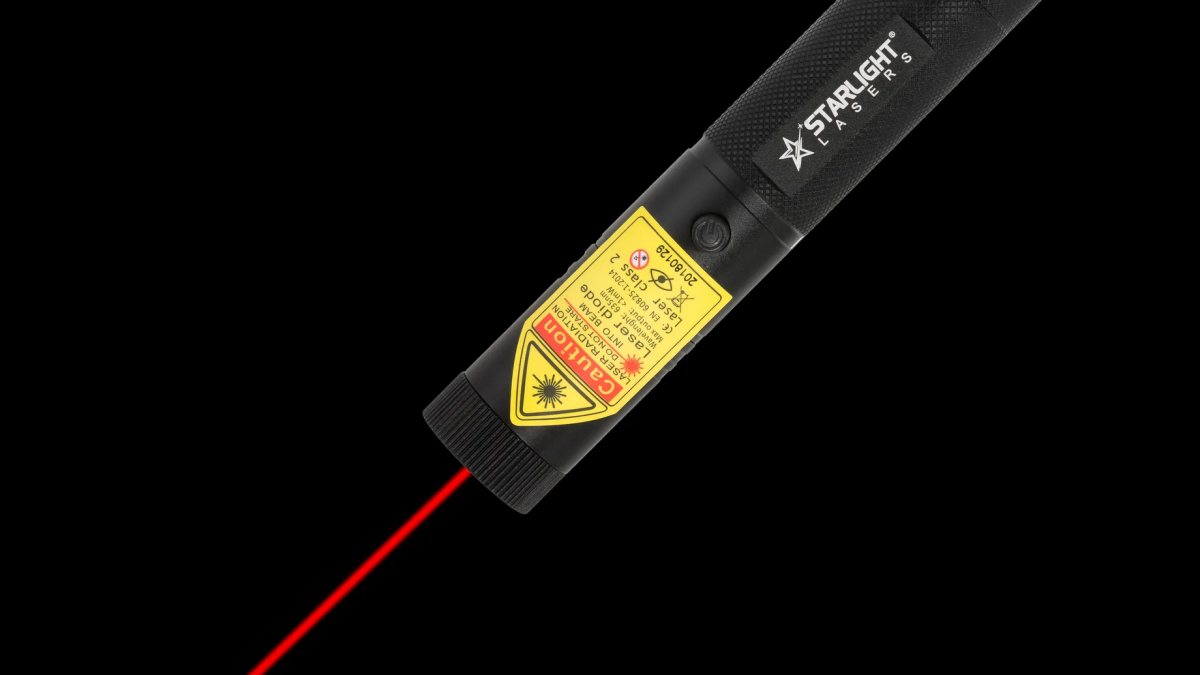
Presentation laser pointer tips: 10 ways to look calm and in control
From holding the laser steady to recovering when it fails mid-talk: ten practical tips for using a presentatio…
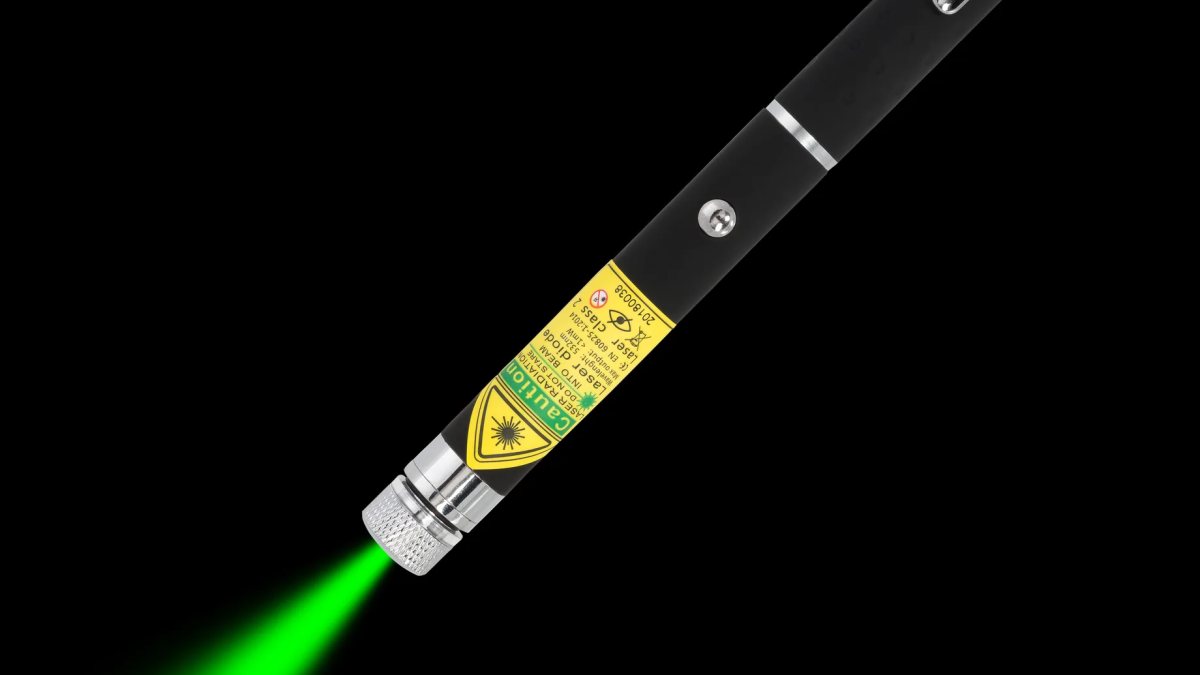
Laser pointer gift guide: the right laser for every person on your list
Stuck for a present? Our gift guide matches the right laser to the cat lover, the teacher, the stargazer, the…
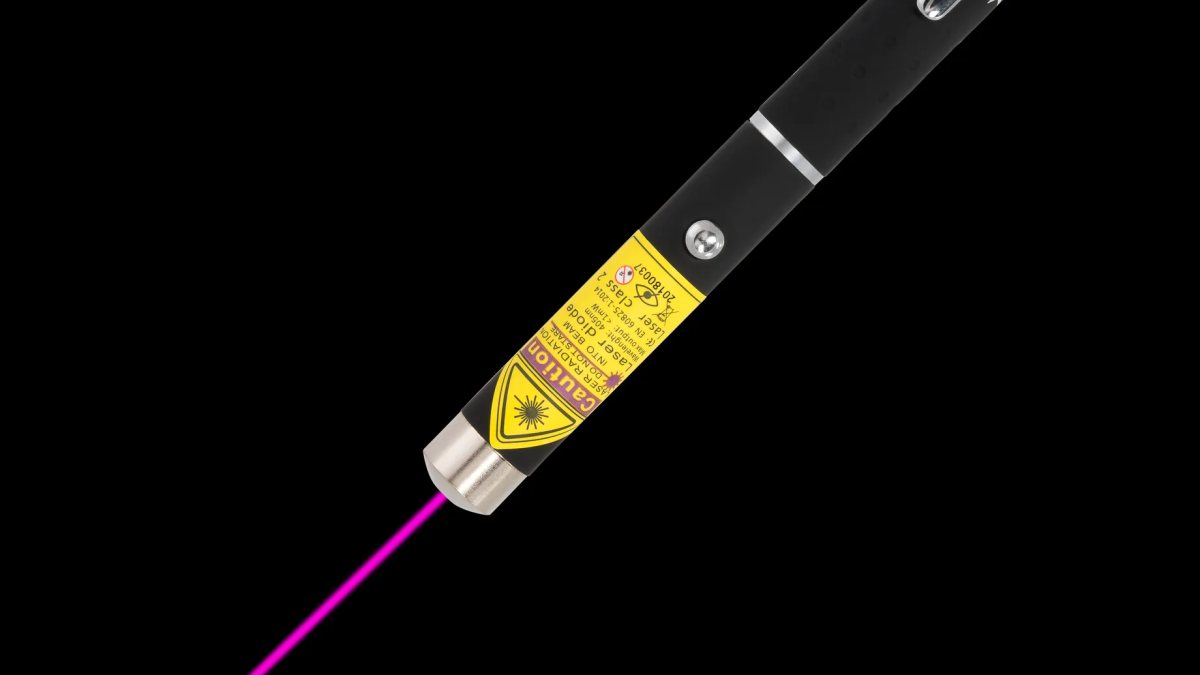
Which laser colour suits your home? Red, green or purple explained simply
Red for slides and calm cat games, green for brightness and the garden, purple for glow fun. A simple guide to…